Workout Supplements Creatine: A Buyer's Guide for Great Britain

🎯 Key Takeaway
Creatine is one of the most researched sports supplements. The International Society of Sports Nutrition (ISSN), in its 2017 position stand, identifies creatine monohydrate as the most studied form and describes a typical daily intake of 3 to 5 grams. Water weight gain and stomach discomfort with large single doses are the effects most often reported. Anyone with a kidney condition should speak to their GP first. HYP makes caffeine pouches, not creatine, and makes no claims about exercise.
For workout supplements creatine is a familiar name in gym bags across Great Britain. As of October 2026, it remains one of the most widely studied sports supplements. Yet there is a lot of confusing information about what it does, how to take it and what to look for on the label.
This guide sets out what the published research says, answers common questions, and explains what to check when you buy creatine on its own or in an all-in-one pre-workout. It is written for adults in Great Britain only.
👤 Written by: Content Team | Reviewed by: Editorial Team
Last updated: 31 October 2026
ℹ️ Transparency Disclosure: This article is published by HYP, which makes caffeine pouches. HYP does not make or sell creatine. Some links go to HYP pages. Information about creatine is drawn from the published sources named in the text.
18+. Contains caffeine (100mg per pouch). Not suitable for children, anyone pregnant or breastfeeding, or people sensitive to caffeine.
What is Creatine and How Does It Work?
Creatine is a naturally occurring compound that your body produces and stores, mainly in your muscles. Adenosine Triphosphate (ATP) is the molecule cells use as their main energy currency, and muscles break it down into ADP (Adenosine Diphosphate) when they contract. The body holds only a small supply of ATP at any one time.
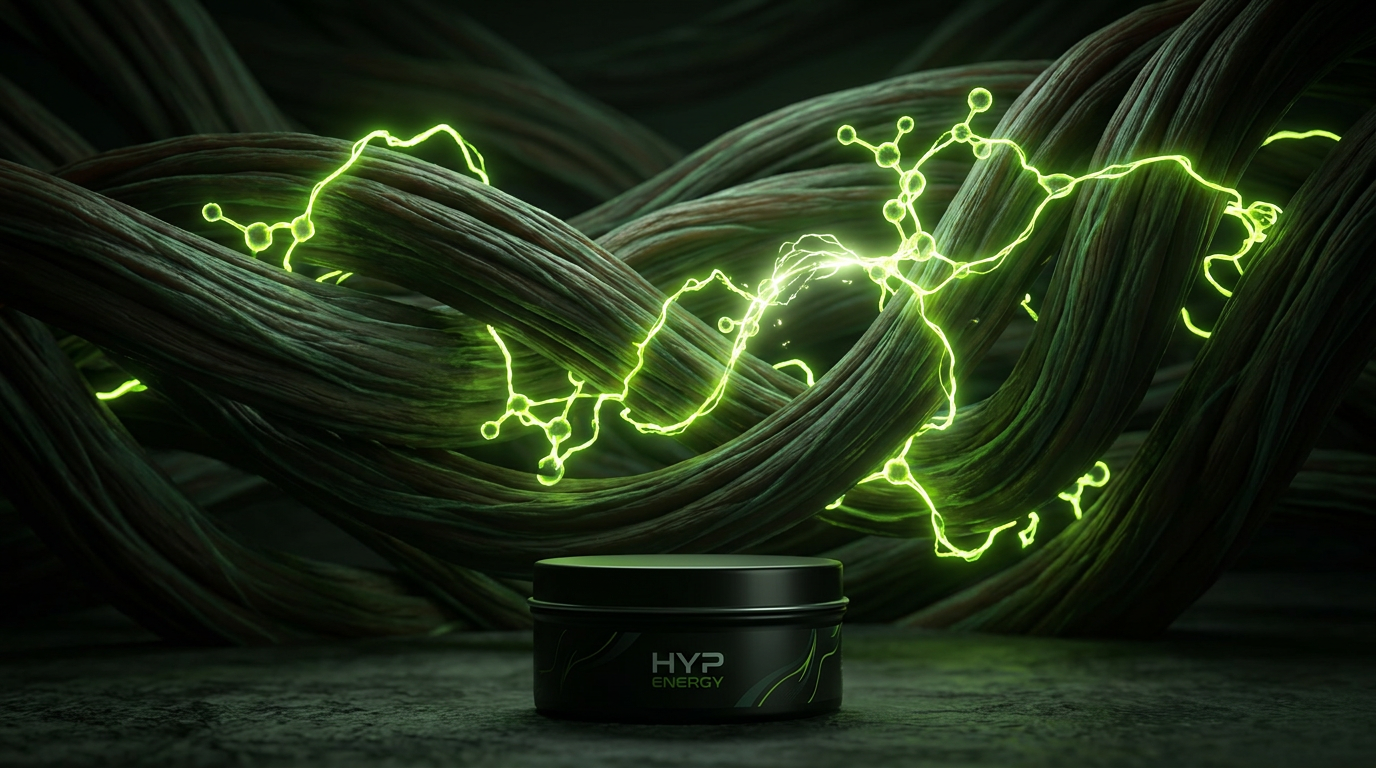
Your body stores creatine as phosphocreatine, which can donate its phosphate group to ADP to regenerate ATP. According to the ISSN position stand on creatine (2017), supplementation raises the amount of creatine and phosphocreatine stored in muscle.
Your body makes some creatine, and you also get some from foods such as red meat and fish. Of the various forms on sale, is creatine monohydrate the most researched? According to the ISSN, yes: creatine monohydrate is the form used in most studies.
Is Creatine Good for Workouts?
The ISSN's 2017 position stand concludes that creatine monohydrate increases high-intensity exercise capacity and lean body mass during training. Most of this research involves short, intense efforts such as resistance training and repeated sprints.
What the research looks at depends on the type of training:
- Resistance training: Much of the research on creatine involves weight training.
- Sprint and interval work: Studies have looked at repeated short, high-intensity efforts.
- Steady-state cardio: Creatine has been studied far less for long, steady exercise, and the ISSN's conclusions centre on high-intensity work.
Why Are Workout Supplements with Creatine So Popular in Great Britain?
The popularity of workout supplements with creatine reflects how much it has been studied. The ISSN, a non-profit academic society, describes creatine monohydrate as the most effective nutritional supplement currently available for increasing high-intensity exercise capacity and lean body mass during training.
A common question is whether to take it before or after a workout. The ISSN describes a typical intake of 3 to 5 grams a day, and the general view in the research is that taking it consistently matters more than timing. You may also see post workout creatine supplements marketed specifically for after training; the research on timing differences is limited.
Debunking Myths: What Are the Known Effects of Creatine?
Creatine is one of the most studied supplements, but it still has effects worth knowing about. People often ask what the unwanted effects of creatine are, so here is what sources such as the ISSN and the Cleveland Clinic describe.
The most commonly reported effect is weight gain from water. Creatine draws water into muscle cells, so a small rise in body weight in the first weeks is common. This is water, not fat.
Some people report stomach discomfort, such as cramps. This is more likely with large single doses, for example during a 'loading' phase. A typical daily intake of 3 to 5 grams, taken with water, avoids the need for large single doses.
People with kidney disease, or who take medicines that affect the kidneys, should speak to their GP before taking creatine.
What Happens When You Stop Taking Creatine?
According to the ISSN, muscle creatine stores return to their usual levels over roughly four to six weeks after you stop supplementing. The extra water held in muscle is lost as stores fall.
When you stop, the following is typical:
- Weeks 1 to 2: Muscle creatine stores remain relatively raised.
- Weeks 3 to 4: Stores fall towards their usual levels, and a slight drop in body weight can occur as water held in muscle returns to normal.
- Week 4 onwards: The body's own creatine production continues at its usual rate. Muscle built through training is not suddenly lost.
All-in-One Pre-Workout Supplements (with Creatine): What to Check
Many pre workout supplements with creatine combine several ingredients in one scoop. Some list ingredients as a 'proprietary blend', which means the amount of each ingredient, including creatine, may not be shown. If you want a known daily creatine intake, check the label for the amount of creatine per serving.
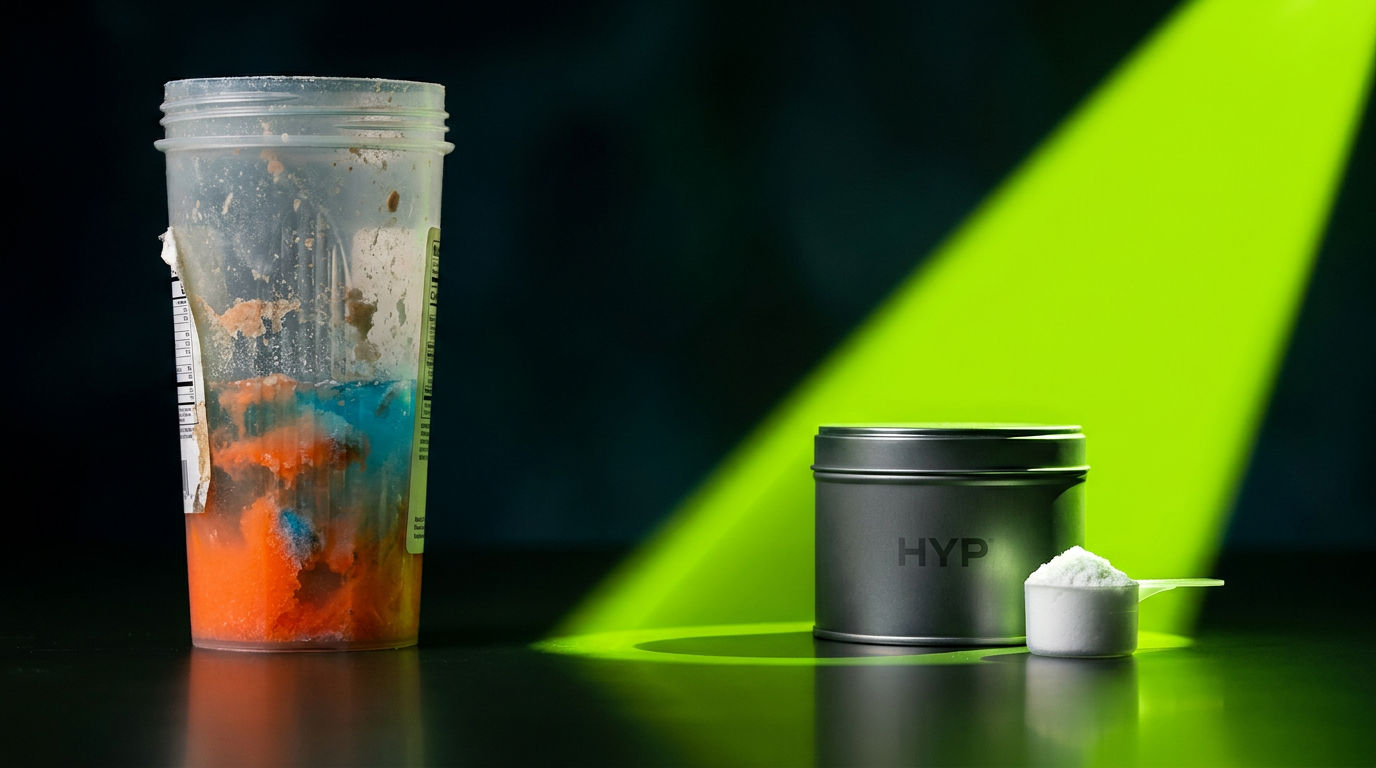
The ISSN describes a typical intake of 3 to 5 grams of creatine a day, including on rest days. Some people take creatine separately from other products so they can take the same amount every day, including days when they do not want the other ingredients in an all-in-one product.
| Component | Typical All-in-One Pre-Workout | Creatine Taken Separately | What to Check |
|---|---|---|---|
| Caffeine | Often included; amount varies by product | None | Caffeine per serving, counted towards your daily total |
| Creatine Dose | Sometimes listed only within a 'proprietary blend' | Amount you measure yourself | Grams of creatine per serving |
| Other Ingredients | Varies: may include sweeteners, flavours, colours and other actives | Usually creatine monohydrate only | The full ingredient list |
| Format | Powder mixed with water in a shaker | Powder mixed with water or food | Serving size and preparation |
Is It Okay to Take Creatine Before Exercise?
Creatine works by building up stores in muscle over time rather than acting straight away, so the research suggests that taking it before or after training makes little difference over the long term.
| Timing | How It Works | Practical Point |
|---|---|---|
| Pre-Workout | Taken 30 to 60 minutes before exercise | Easy to combine with an existing routine |
| Post-Workout | Taken alongside a meal or shake | Some research has looked at taking it with food |
| Anytime Daily | Taken consistently morning or evening | Keeps intake consistent regardless of schedule |
If you take creatine before training, pure monohydrate powder can be mixed with water.
Where Do HYP Caffeine Pouches Fit In?
HYP does not make creatine, and HYP pouches contain no creatine. HYP makes caffeine pouches: each pouch contains 100mg of caffeine and is sugar-free, nicotine-free and tobacco-free. HYP makes no claims about exercise or training.
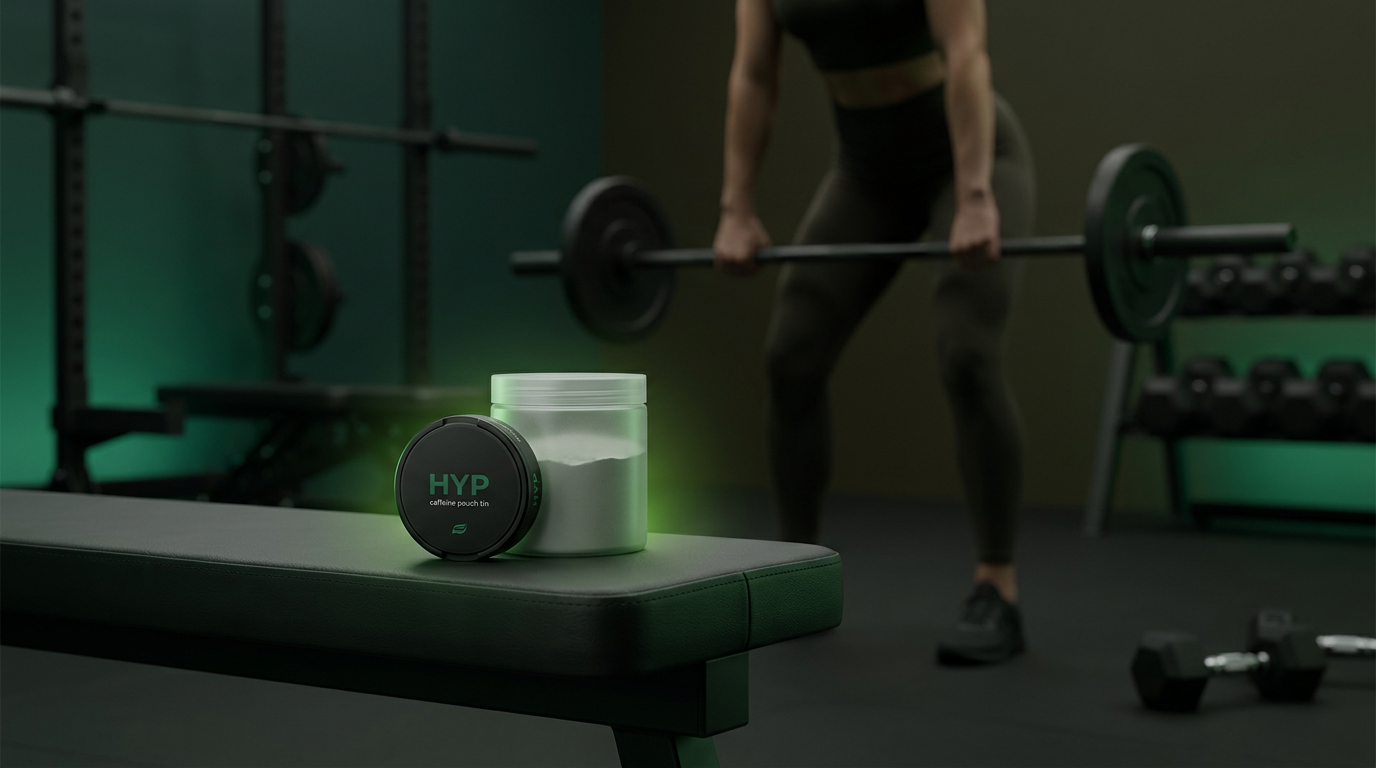
A HYP pouch is placed under the lip and removed after use, with no liquid needed. You can read more about how caffeine pouches work, or compare formats in our guide to alternatives to energy drinks.
18+. Contains caffeine (100mg per pouch). Not suitable for children, anyone pregnant or breastfeeding, or people sensitive to caffeine.
If you use caffeine from any source, count it towards your daily total. The European Food Safety Authority (EFSA) advises healthy adults to have no more than 400mg of caffeine a day from all sources. Caffeine in an all-in-one pre-workout counts towards that same total. Maximum 4 pouches a day, 3 to 4 hours apart.
Frequently Asked Questions About Creatine
What are workout supplements creatine?
Workout supplements creatine are products designed to increase the body's stores of creatine, a compound that muscles use to regenerate ATP. Creatine is among the most studied supplements in sports nutrition, and creatine monohydrate is the most researched form.What happens if I take creatine and workout?
Taking creatine consistently raises the amount of creatine stored in your muscles. The ISSN's 2017 position stand concludes that creatine monohydrate increases high-intensity exercise capacity and lean body mass during training. Individual responses vary.What is the most researched creatine for building muscles?
Creatine monohydrate is the form used in most research. Other, often more expensive forms exist, but the ISSN notes that most of the evidence relates to monohydrate.What happens after 1 week of creatine?
After a week of consistent use, muscle creatine stores are typically higher than before. You might also notice a slight rise in body weight, which is due to water being drawn into muscle cells. Individual responses vary.Do I gain weight when I take creatine?
Many people gain a small amount of weight at first, and this is water held in the muscle, not fat. It is one of the most commonly reported effects of creatine.Does it matter when I take creatine?
The general view in the research is that timing matters less than consistency. A typical intake described by the ISSN is 3 to 5 grams a day, including rest days.Who should avoid taking creatine?
People with kidney or liver conditions, or who take medicines that affect the kidneys, should speak to their GP before using creatine. Most research has been carried out on adults, and creatine is generally not recommended for anyone under 18.What foods are high in creatine?
Creatine is found naturally in animal products, with red meat and fish being the main dietary sources. Beef, pork and fish such as herring and salmon all contain creatine, but the amounts in a normal diet are smaller than a typical supplement serving.Will I look puffy on creatine?
The water that creatine draws in is held mainly inside muscle cells. Some people notice a small rise in body weight. Individual responses vary.What to avoid in creatine supplements?
Check for a clear amount of creatine per serving rather than a 'proprietary blend' that hides individual amounts. Read the full ingredient list, and look for products that have been third-party tested, for example under schemes such as Informed-Sport.Important Considerations
Current research has limits. Most studies look at creatine monohydrate, and there is less evidence for other forms. Short and medium-term use is well studied, but studies lasting many years are less common. Individual responses vary with diet, genetics and existing creatine levels.
Some people prefer pre workout supplements without creatine. If so, check the label for each active ingredient and its amount per serving, including caffeine.
Before starting any new supplement, especially if you have a health condition such as a kidney or liver condition, speak to your GP or a registered dietitian.
Is Creatine Good for Older Adults?
Research on creatine in older adults is ongoing, and studies usually combine it with resistance training. The findings are still developing, so older adults should not treat creatine as a treatment for any condition.
Older adults managing health conditions or taking medicines that affect the kidneys should speak with their GP before taking creatine.
Choosing a Creatine Supplement: What to Check
Making informed choices about workout supplements creatine starts with the label: check the amount of creatine per serving, the full ingredient list and any caffeine content. How your wider diet fits in is covered in our guide to nutrition and exercise.
HYP makes caffeine pouches, not creatine. If you are an adult and would like to try the different HYP flavours, you can try The Discovery Pack. Maximum 4 pouches a day, 3 to 4 hours apart.
18+. Contains caffeine (100mg per pouch). Not suitable for children, anyone pregnant or breastfeeding, or people sensitive to caffeine.
References
- International Society of Sports Nutrition (ISSN) - Position stand on creatine supplementation (2017). Reviews the research on creatine in exercise, its typical intake and its reported effects.
- Cleveland Clinic - Health Guide. An overview of what creatine is and its reported effects.
- European Food Safety Authority (EFSA) - Scientific Opinion on caffeine (2015). Advises that caffeine intake of up to 400mg a day from all sources does not raise concerns for healthy adults outside pregnancy.
Choosing a Creatine Supplement: What to Check
In summary, making informed choices about workout supplements creatine means understanding what the research says, taking a consistent daily amount and reading the label carefully, especially on all-in-one products.
HYP makes caffeine pouches, not creatine, and makes no claims about exercise. Maximum 4 pouches a day, 3 to 4 hours apart.