Side Effects Of Workout Supplements: What UK Buyers Should Know
🎯 Key Takeaway
The primary side effects of workout supplements often include jitters, digestive issues, and energy crashes, typically caused by excessive stimulants, artificial sweeteners, and poorly formulated ingredients found in many UK products. High doses of caffeine and other stimulants can lead to anxiety, increased heart rate, and sleep disruption. Artificial sweeteners and fillers common in pre-workout powders are frequently responsible for bloating and digestive discomfort. Modern alternatives like our caffeine pouches offer a clean, measured dose of energy without the sugar, unnecessary fillers, or subsequent crash. This guide details the specific ingredients to watch for and helps you choose a safer, more effective energy source for your training.
You’re committed to your training. You want every session to count. So, you look for an edge, and the supplement aisle seems to offer it. But as of October 2026, the market is flooded with products that promise the world but often deliver a cocktail of unwanted reactions. For the side effects of workout supplements, the conflict is real: you want peak performance, not palpitations and a post-workout crash. The question of whether you should you take gym supplements is a big one for any UK athlete. This guide provides the clarity you need to handle the noise, understand the risks, and make an informed choice for your body and your performance.
👤 Written by: Content Team
Reviewed by: Editorial Team, Industry Specialists
Last updated: 15 October 2026
ℹ️ Transparency Disclosure: This article explores the side effects of workout supplements based on an analysis of peer-reviewed studies and public health guidelines. Some links may connect to our services, such as HYP caffeine pouches. All information is verified by our editorial team to ensure accuracy and relevance for UK consumers.
Why Do Many Workout Supplements Cause Unwanted Side Effects?
Yes, many workout supplements cause side effects because they rely on a combination of high-dose stimulants, non-functional fillers, artificial ingredients, and opaque 'proprietary blends'. This 'kitchen sink' approach is a major red flag for anyone serious about their performance and health.

Many pre-workout powders are packed with a long list of ingredients. The problem is, they often contain a little bit of everything but not enough of the effective compounds to make a real difference. Instead, the bulk of the product is made up of stimulants and fillers. The primary stimulant is caffeine, a natural central nervous system stimulant, often included in massive doses that far exceed what's needed for a performance benefit. The International Society of Sports Nutrition (ISSN), a leading academic society for sports nutrition science, notes in a 2021 journal article that 3-6mg of caffeine per kg of body mass is effective, but many products push this limit, leading to jitters and anxiety.
Worse still are proprietary blends. This is a marketing term for a list of ingredients that doesn't disclose the exact amount of each one. Brands use them to hide their formulas, often under-dosing expensive, effective ingredients and loading up on cheap stimulants. A Harvard T.H. Chan School of Public Health guide (2024) on caffeine highlights that while moderate intake is fine, high doses can cause significant negative effects. Without a transparent label, you have no idea what you're actually putting into your body. That’s a gamble we don’t think you should have to take.
The Most Common Side Effects of Workout Supplements (And What Causes Them)
The most reported side effects of workout supplements are jitters, anxiety, digestive upset, skin tingling, and energy crashes. These aren't random; each one can be traced back to specific ingredients commonly found in popular pre-workout powders and energy drinks. Understanding these connections is the first step to avoiding them.
Here are the main culprits behind the symptoms of taking too many supplements:
- Jitters, Anxiety & Sleep Issues: This is the classic sign of too much caffeine. While the International Society of Sports Nutrition (ISSN) (2021) indicates caffeine’s benefits, many pre-workouts contain 300mg or more per scoop. That's equivalent to three strong coffees in one go, a recipe for overstimulation.
- Digestive Distress (Bloating & Cramps): This is often caused by artificial sweeteners like sucralose and acesulfame potassium, plus other fillers. Your body can struggle to digest them, leading to discomfort that ruins a workout.
- Energy Crashes: The sugar bomb. Many energy drinks and some pre-workouts are loaded with sugar. You get a quick spike in energy followed by a hard crash as your blood sugar plummets. The World Health Organisation (WHO) has consistently recommended, as in their 2015 guidelines, to reduce free sugar intake for this very reason.
- Skin Tingling (Paresthesia): That pins-and-needles feeling is caused by Beta-Alanine, an amino acid known for causing a tingling sensation. While some don't mind it, many find it distracting and uncomfortable during their session.
| Side Effect | Common Cause (Ingredient) | How to Avoid in the UK |
|---|---|---|
| Jitters & Anxiety | Excessive Caffeine (>200mg per serving) | Choose products with a transparent, moderate caffeine dose (100-150mg) or a clean source like a caffeine pouch. |
| Digestive Upset | Artificial Sweeteners (Sucralose, Aspartame) & Fillers | Opt for products with 0 calories and 0 sugar, which are free from these gut-irritating additives. |
| The 'Crash' | High Sugar Content / Stimulant Overload | Ditch sugary energy drinks. Select a sugar-free energy source that provides a steady release, not a spike and dip. |
| Skin Tingling | Beta-Alanine | Read the label and avoid products containing Beta-Alanine if you find the sensation distracting. |
Can Pre-Workout Supplements Raise Your Blood Pressure?
Yes, stimulants like caffeine, which are the core of most pre-workouts, can cause a temporary but significant increase in blood pressure (BP) and heart rate. If you've ever wondered, 'can pre workout raise bp?', the answer is a clear yes, and it's a critical factor to consider among the side effects of pre workout supplements.
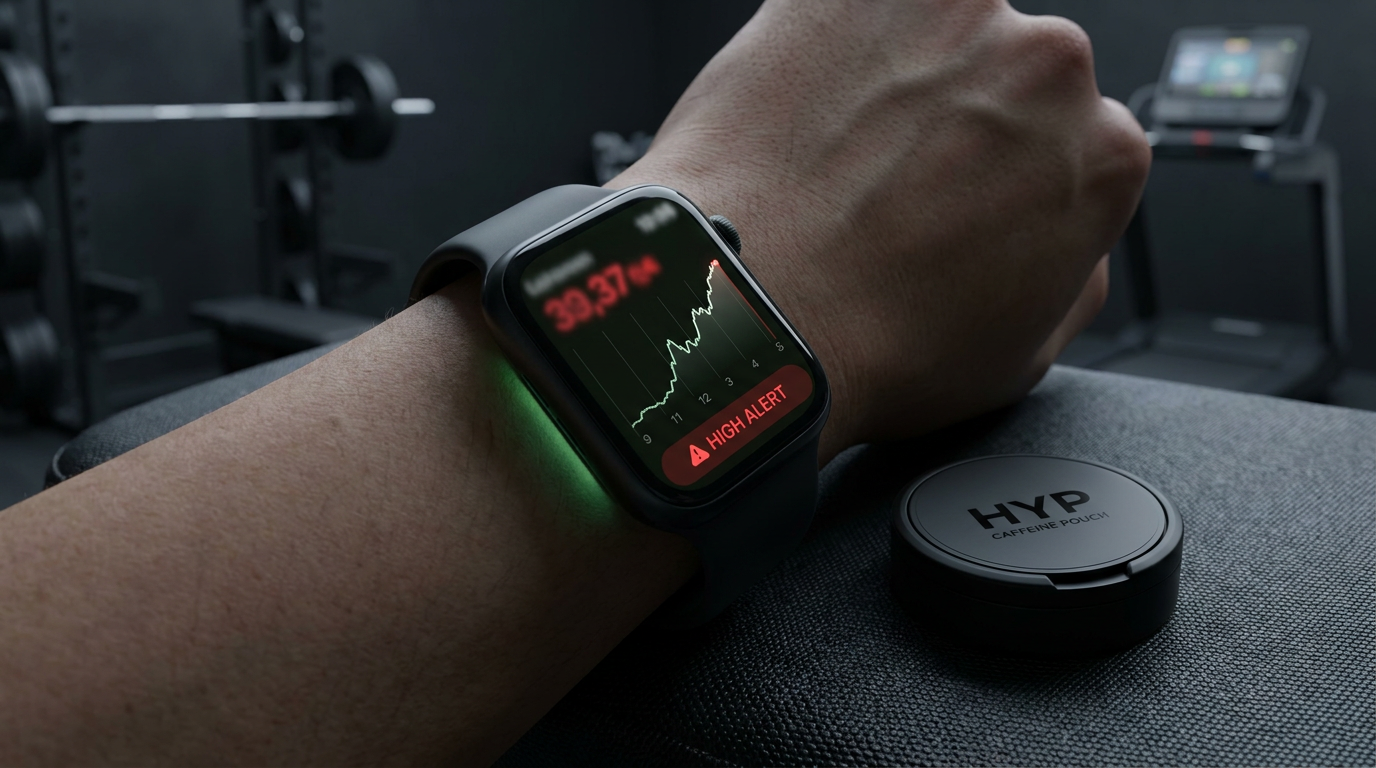
The physiological mechanism is straightforward: caffeine is associated with vasoconstriction, which means it narrows your blood vessels. This makes it harder for blood to flow, forcing your heart to work harder and thereby increasing your blood pressure. For most healthy individuals, this effect is temporary and not dangerous. However, the risk profile changes significantly for those with pre-existing hypertension or a sensitivity to stimulants.
The danger lies in the unknown dosages found in proprietary blends. A Harvard T.H. Chan School of Public Health (2024) article indicates that while up to 400mg of caffeine per day is generally safe for healthy adults, many pre-workouts deliver this in a single, potent hit. Even the National Collegiate Athletic Association (NCAA), as per their guidelines, has a ban on high concentrations of caffeine in athletes' systems, highlighting the line between use and misuse. Choosing a product with a precise, clearly stated dose of caffeine allows you to control your intake and manage the impact on your cardiovascular system.
Beyond Powders: Is Creatine 100% Safe for UK Athletes?
When used correctly, creatine monohydrate is widely recognised as one of the safest and most effective sports supplements available. For those asking 'is creatine 100% safe?', the overwhelming body of scientific research provides a confident answer. Creatine, a compound that aids in muscle energy production, has been studied for decades, and common myths about it causing kidney damage or dehydration in healthy individuals have been consistently debunked by the scientific community.
The key to its safety lies in two factors: correct dosage and product purity. The standard, effective dose is 3-5 grams per day. There is no evidence that taking more provides additional benefits.
For UK buyers, the most important consideration is sourcing a high-quality product. Low-grade creatine can contain impurities and contaminants from the manufacturing process. That's why we recommend looking for brands that use a reputable source, such as Creapure®, which is a benchmark for purity and is rigorously tested for banned substances. By sticking to the recommended dose and choosing a trusted supplier, athletes can confidently use creatine to boost strength and power output without worrying about adverse effects. For a deeper dive, check out our comprehensive guide to creatine safety and performance.
The Solution: A Cleaner Alternative for Pre-Workout Energy
Tired of the jitters, the bloat, and the inevitable crash? We were too. That's why we created HYP. HYP is a UK-based brand specialising in clean energy caffeine pouches, designed for performance without the negative side effects of traditional supplements. It's time to ditch the cans and coffee and switch to the pouch.
Our approach is built on precision and purity. Instead of a scoop of mystery powder, you get a clean, effective energy boost that solves the problems we've discussed:
- Precise, Controlled Dosage: Each pouch contains a specific amount of caffeine. You know exactly what you're getting, so you can dial in the well-suited amount of energy for your session without going overboard. No guesswork, no anxiety.
- No Sugar, 0 Calories, No Fillers: We've cut out all the junk. That means no sugar to cause an energy crash and no artificial sweeteners or fillers to cause digestive issues. It's just clean performance energy.
- Fast, Convenient Absorption: The pouch sits discreetly under your lip, delivering caffeine through the gums for a fast-acting effect. It's hands-free, mess-free, and well-suited for use right before or even during a session. You can learn more about what caffeine pouches are in our detailed guide.
- Smooth, Focussed Energy: Many of our pouches combine caffeine with L-theanine, an amino acid that promotes relaxation without drowsiness. A literature review from the National Center for Biotechnology Information (PubMed Central) (2018) found this combination enhances alertness and focus. It’s the 'cleaner caffeine hit' you’ve been looking for.
This isn't just another energy product. It's a smarter way to fuel your performance. See for yourself how caffeine pouches compare to pre-workout and discover the benefits of using caffeine pouches before a workout. (And for those with concerns about oral health, our pouches are designed to minimise irritation).
Frequently Asked Questions About Workout Supplements
What are the primary side effects of workout supplements?
The primary side effects of workout supplements are typically jitteriness, anxiety, digestive problems like bloating, and post-workout energy crashes. These are often caused by high doses of stimulants, artificial sweeteners, and other fillers. You should check the label for these ingredients before purchasing any product in the UK.
Should you take gym supplements?
Whether you should take gym supplements depends entirely on your goals, diet, and tolerance for the ingredients. While not essential, they can provide a performance edge. However, it is vital to choose high-quality, third-party tested products with transparent labels to minimise the risk of side effects and ensure you're getting what you pay for.
Can pre-workout supplements raise blood pressure?
Yes, pre-workout supplements can temporarily raise blood pressure (BP) and heart rate. This is primarily due to stimulants like caffeine. Individuals with pre-existing hypertension or cardiovascular concerns should exercise extreme caution and consult their GP before using any stimulant-based products, as the risk of adverse effects is higher.
What are the symptoms of taking too many supplements?
Symptoms of taking too many supplements can range from mild to severe, including nausea, diarrhoea, headaches, anxiety, and heart palpitations. You might also experience difficulty sleeping. These signs indicate your body is overloaded, and you should cease use and consult a healthcare professional if symptoms persist.
Is creatine 100% safe for healthy individuals?
For healthy individuals, creatine monohydrate has an outstanding safety profile and is considered very safe when used correctly. It is one of the most researched supplements in the world. The key to safety is using the recommended dosage and sourcing a high-purity product from a reputable brand to avoid potential contaminants.
What is the best supplement for energy before a workout?
The 'best' supplement provides effective energy with minimal side effects, which varies by individual. For many, this means avoiding sugary drinks and filler-laden powders. A measured dose of caffeine, such as from a clean source like coffee or a modern caffeine pouch, offers a reliable boost without the unwanted additives.
What supplements should not be taken together?
Care should be taken when combining multiple stimulants, such as a high-caffeine pre-workout with fat burners. You should also be cautious mixing high doses of fat-soluble vitamins (A, D, E, K) or minerals that compete for absorption, like iron and calcium. Typically consult a professional for personalised advice on stacking supplements.
What supplements should you not take daily?
Fat-soluble vitamins (A, D, E, and K) should not typically be taken in high doses daily unless a deficiency is diagnosed. Unlike water-soluble vitamins, they are stored in the body and can build up to toxic levels over time. It's best to follow NHS guidelines or a doctor's recommendation for long-term use.
Do vitamin D and C cancel each other out?
No, vitamin D and vitamin C do not cancel each other out and are safe to take together. They are involved in different bodily functions and do not negatively interact or compete for absorption. Many multivitamins and health protocols include both to support immune function and overall health.
How do I choose a safe supplement in the UK?
To choose a safe supplement, prioritise products with transparent labels that show exact ingredient amounts. Look for third-party testing certifications like Informed-Sport, which is recognised in the UK. The Food Standards Agency (FSA), the UK government department responsible for food safety, also provides guidance. Avoid proprietary blends and buy from reputable companies.
Important Considerations
While this guide provides a clear overview, research in sports nutrition is typically evolving. Some studies may have limitations, such as small sample sizes or short durations, meaning the long-term effects of certain ingredient combinations aren't fully understood. It's important to approach new supplements with a healthy dose of scepticism and prioritise evidence from large-scale, peer-reviewed studies. An effective approach to performance isn't typically found in a tub or a packet. Foundational pillars like a balanced diet, consistent sleep, and structured training are the most powerful performance enhancers you have. Supplements should be just that-a supplement to an already solid routine, not a crutch to compensate for poor lifestyle choices. Sometimes, an effective pre-workout is an extra hour of sleep or a well-timed, nutrient-dense meal.
Finally, before starting any new supplement regimen, especially if you have pre-existing health conditions, are taking medication, or are a competitive athlete, You should consult a professional. A qualified sports nutritionist, dietitian, or your GP can provide personalised advice based on your specific health profile and goals, ensuring your choices are both safe and effective.
Making an Informed Choice for Your Energy and Health
Ultimately, understanding the potential side effects of workout supplements empowers you to take control of your performance and health. The key takeaway is that many negative reactions are not inevitable; they are the direct result of poorly designed products that prioritise hype over substance. By scrutinising labels, avoiding proprietary blends, and saying no to sugar and unnecessary fillers, you can find an energy solution that works for you, not against you.
We believe in Clean Performance Energy. If you're ready to move beyond the cycle of jitters and crashes, our HYP pouches offer a smarter, cleaner way to fuel your session. They're made for the session and designed for the discerning athlete who demands transparency and results. Join The Circle and feel the difference for yourself. Try The Discovery Pack today.
Related reading
- Where to Buy Caffeine Pouches: What UK Buyers Should Know
- Caffeine Pouches Mint: What UK Buyers Should Know
- Zero Sugar Drinks UK: What British Shoppers and Athletes Should Know
References
- International Society of Sports Nutrition (ISSN) - Journal Article (2021). This review indicates that caffeine at doses of 3-6 mg/kg body mass is an effective ergogenic aid for improving muscular endurance, strength, and power.
- National Center for Biotechnology Information (PubMed Central) - Literature Review (2018). This review of human studies found the combination of L-theanine and caffeine improves performance on cognitively demanding tasks by enhancing alertness and attention.
- U.S. Centers for Disease Control and Prevention (CDC) - Public Health Data. This resource shows frequent consumption of sugar-sweetened beverages is associated with numerous health problems, including weight gain and heart disease.
- Harvard T.H. Chan School of Public Health - Academic Guide (2024). This guide states that moderate caffeine intake, up to 400 mg per day, can be part of a healthy diet for most adults but warns of negative effects from high doses.
- Statista - Market Research Data (2021). This research showed that in 2021, 10 percent of respondents in the UK reported consuming energy drinks several times a week.
- World Health Organization (WHO) - Global Health Guideline (2015). This guideline recommends reducing daily intake of free sugars to less than 10% of total energy intake to prevent negative health outcomes.
- National Collegiate Athletic Association (NCAA) - Professional Organisation Guideline. This guideline explains that the NCAA bans high urinary concentrations of caffeine (>15 mcg/ml), defining a line between acceptable use and misuse in competitive sports.
Limitations and Important Considerations
While this guide provides a comprehensive overview based on current scientific evidence, it's important to acknowledge its limitations. Individual responses to ingredients like caffeine and beta-alanine can vary significantly based on genetics, body mass, and regular consumption habits. The information presented is for educational purposes and should not be considered a substitute for personalised medical advice. The supplement market is dynamic, and this analysis cannot cover every product available to UK consumers.
Before turning to supplements, it is crucial to optimise the foundational pillars of athletic performance. A balanced diet rich in whole foods, consistent hydration, and adequate sleep (7-9 hours per night) are non-negotiable for energy and recovery. Supplements are designed to augment a solid lifestyle, not to compensate for deficiencies in diet or rest. Often, a small, well-timed meal or a simple cup of coffee can provide all the pre-workout energy needed.
Crucially, you should always consult with a qualified healthcare professional, such as your GP or a registered dietitian, before beginning any new supplement regimen. This is especially vital for individuals with pre-existing health conditions like hypertension or heart disease, those taking prescription medications, or competitive athletes who must adhere to anti-doping regulations set by bodies like the NCAA. A professional can help you navigate your choices safely and effectively based on your unique health profile and performance goals.
Conclusion
Making an Informed Choice for Your Energy and Health
In summary, the side effects of workout supplements are a frequent concern for UK athletes, but they are largely avoidable with careful selection. Research shows that issues like jitters, digestive distress, and energy crashes often stem from aggressive stimulant doses, artificial sweeteners, and poorly formulated proprietary blends. By understanding what causes these reactions and prioritising products with transparent, clean labels, you can effectively separate high-performance aids from counterproductive formulas.
Ultimately, achieving your fitness goals shouldn't come at the cost of your well-being. We believe the modern athlete deserves a smarter, cleaner energy source. Instead of gambling on sugary powders filled with unnecessary extras, consider a precisely dosed alternative. HYP caffeine pouches deliver a measured amount of caffeine and L-theanine for smooth, focused energy without the sugar, fillers, or subsequent crash, empowering you to perform at your best, safely and effectively.