How Nutrition Affects Athletes: A Guide for Great Britain

🎯 Key Takeaway
Understanding how nutrition affects athletes starts with three basics: macronutrients (carbohydrates, protein and fat), micronutrients and hydration. The right balance depends on your sport and training load. When you eat around training also matters, and general sports nutrition guidance covers what to eat before, during and after sessions. This guide covers those basics. HYP makes caffeine pouches and makes no claims that they affect exercise or sport.
As of late 2026, interest in sports nutrition is higher than ever. For athletes in Great Britain juggling training with busy lives, generic advice often misses the mark. This guide sets out how nutrition affects athletes by breaking down the core sports nutrition principles UK athletes ask about. We cover common myths, the diet vs. exercise debate, and how to plan food around training. It applies to Great Britain only.
Written by: HYP Content Team | Reviewed by: HYP Editorial Team
Transparency Disclosure: This article is published by HYP, which makes caffeine pouches. It covers general sports nutrition principles. Some links go to HYP pages. HYP does not claim that its pouches affect exercise, training or sport.
18+. Contains caffeine (100mg per pouch). Not suitable for children, anyone pregnant or breastfeeding, or people sensitive to caffeine.
What Are the 3 Pillars of Sports Nutrition for Athletes?
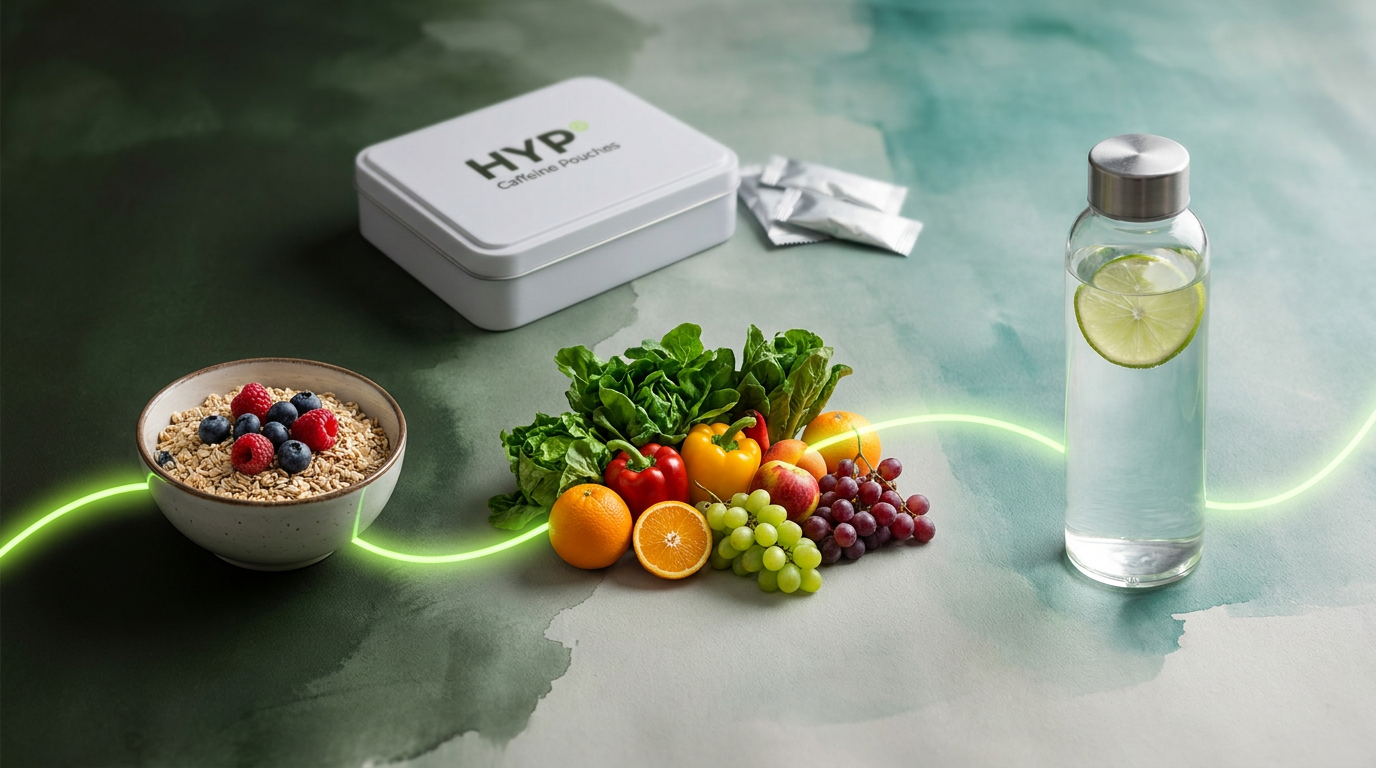
The foundation of how nutrition affects athletes rests on three pillars: macronutrients, micronutrients and hydration. Macronutrients provide energy and building materials, micronutrients (vitamins and minerals) are needed for the body's normal processes, and fluid replaces what is lost through sweat.
Understanding Your Macronutrient Needs
Macronutrients are the nutrients your body needs in large amounts for energy and to build tissue. They are carbohydrates, proteins and fats. Carbohydrates are the main fuel for high-intensity work, protein is used to build and repair muscle, and fats are needed for hormone production and absorbing some vitamins. The demands of your sport help determine the right balance of macronutrients for athletes.
| Macronutrient | Main Role | Commonly Cited Intake (g/kg/day) | Good Sources for UK Athletes |
|---|---|---|---|
| Carbohydrates | Main energy source for moderate to high-intensity exercise; replenishes muscle glycogen. | 5-12 g (depending on training load) | Oats (porridge), brown rice, potatoes, wholemeal bread, bananas |
| Protein | Building and repairing muscle. | 1.4-2.0 g | Chicken breast, salmon, Greek yoghurt, lentils, tofu, eggs |
| Fats | Energy source for low-intensity exercise; needed for hormone production and vitamin absorption. | ~1.0 g (or 20-35% of total energy intake) | Avocado, nuts, seeds, olive oil, oily fish (mackerel, salmon) |
The Critical Role of Hydration
Hydration is often overlooked. For athletes, hydration for athletes UK is not just a summer concern; indoor training and cold, dry air also lead to fluid loss. General sports nutrition guidance is to start each session well hydrated and to replace the fluid lost during training, rather than waiting until you feel thirsty.
How do macronutrients support athletic energy systems?
Macronutrients supply the substances the body uses to regenerate adenosine triphosphate (ATP), the molecule cells use for energy. Carbohydrates are the main fuel for high-intensity work, fats are used mainly during prolonged low-intensity work, and protein is used mainly for building and repair rather than as a fuel during training.
The body uses three energy systems, each relying on different fuels:
- Phosphagen (ATP-PC) System: Used for maximal efforts lasting up to about 10 seconds, such as heavy lifts or short sprints. It relies on phosphocreatine stored in muscle.
- Glycolytic System: Used for high-intensity efforts lasting roughly 15 seconds to 2 minutes. Muscle and liver glycogen, which come from dietary carbohydrates, are broken down to supply ATP.
- Oxidative System: Used for steady activity lasting more than a few minutes. Carbohydrates and fats are broken down within mitochondria. As sessions get longer and glycogen falls, the body uses a greater share of fat.
How can athletes calculate daily energy needs for long-distance training?
Working out daily energy needs usually starts with an estimate of basal metabolic rate (BMR), which is then adjusted for daily activity and training. The aim is to match energy intake to energy used, so the body has enough fuel for training and daily life.
A straightforward three-step method:
- Estimate Basal Metabolic Rate (BMR): Use the Mifflin-St Jeor equation, based on body weight, height and age, to estimate resting energy use.
- Apply Physical Activity Level (PAL): Multiply BMR by a lifestyle multiplier for non-training activity such as desk work and light movement.
- Add Exercise Energy Use: Add an estimate of the energy used in each training session. This varies with body mass, the type of exercise and its intensity.
Matching total energy intake to total energy use helps avoid low energy availability, which can affect health as well as training.
Is the 80/20 Rule True for UK Athletes?
The '80% diet, 20% exercise' idea is an oversimplification for athletes. It is often used in a weight-loss context, where reducing energy intake through diet has a large effect, but for athletes it creates a false choice. Training provides the stimulus to adapt, and nutrition provides the fuel for that training and for the body to adapt afterwards.
A good diet does not replace training, and hard training cannot make up for eating too little. The real question is not is it 80 diet 20 exercise, but how to combine both for your goals. The balance depends on your objective: a bodybuilder preparing for a show and a fell runner have very different nutritional priorities.
Practical Application
In practice, this means planning nutrition around your training: carbohydrates before longer sessions, and a meal with protein and carbohydrates after you finish. Training provides the stimulus, and nutrition supports the body in adapting to it.
How Does Nutrient Timing Affect Athletes?
When you eat matters as well as what you eat. Nutrient timing means aligning food intake with your training sessions. It is usually broken down into three windows: before, during and after training.
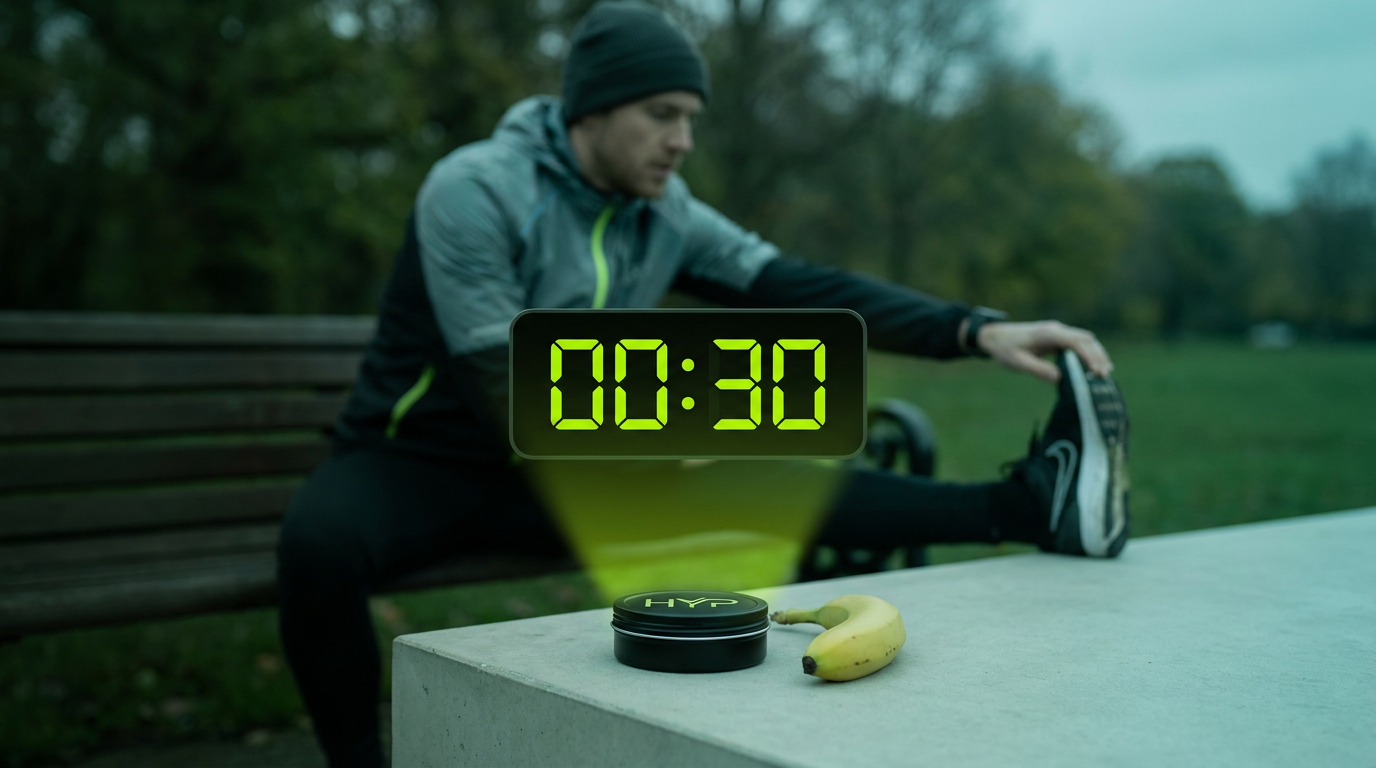
The pre-workout nutrition for athletes window (1 to 3 hours before a session) is about topping up muscle glycogen, the body's main carbohydrate store for intense effort. General guidance is to choose easily digestible carbohydrates and a small amount of protein.
Eating during training is usually only relevant for long sessions, typically those lasting over 90 minutes. Small amounts of simple carbohydrates are often used to help maintain blood glucose.
After training, a mix of protein and carbohydrates helps replace glycogen and provides the amino acids needed for muscle repair.
What are the core sports nutrition guidelines for long-distance athletes?
Core sports nutrition guidelines for long-distance athletes cover carbohydrate intake around training, spreading protein through the day and planning fluid intake. Commonly cited guidance suggests 30 to 90 grams of carbohydrates per hour during long sessions, with fluid intake matched to individual sweat rates.
Guidelines are often set out by phase:
| Phase | Main Nutritional Objective | Commonly Cited Strategy |
|---|---|---|
| Pre-Session (1 to 4 hours) | Top up muscle glycogen and start hydrated | 1 to 4 g/kg of low-fibre, digestible carbohydrates with 400 to 600 ml of fluid. |
| Intra-Session (Over 60 to 90 mins) | Maintain blood glucose and fluid balance | 30 to 60 g/hour of rapidly absorbed carbohydrates; up to 90 g/hour for very long events using multiple carbohydrate sources. |
| Post-Session (Within 60 mins) | Replace glycogen and start muscle repair | 1.0 to 1.2 g/kg of carbohydrates combined with 0.3 to 0.4 g/kg of protein. |
Where Do Caffeine Pouches Fit In?
HYP makes caffeine pouches. Each pouch contains 100mg of caffeine and is sugar-free, nicotine-free and tobacco-free. HYP does not claim that its pouches affect exercise, training or sport, and they are not a substitute for food or fluid.
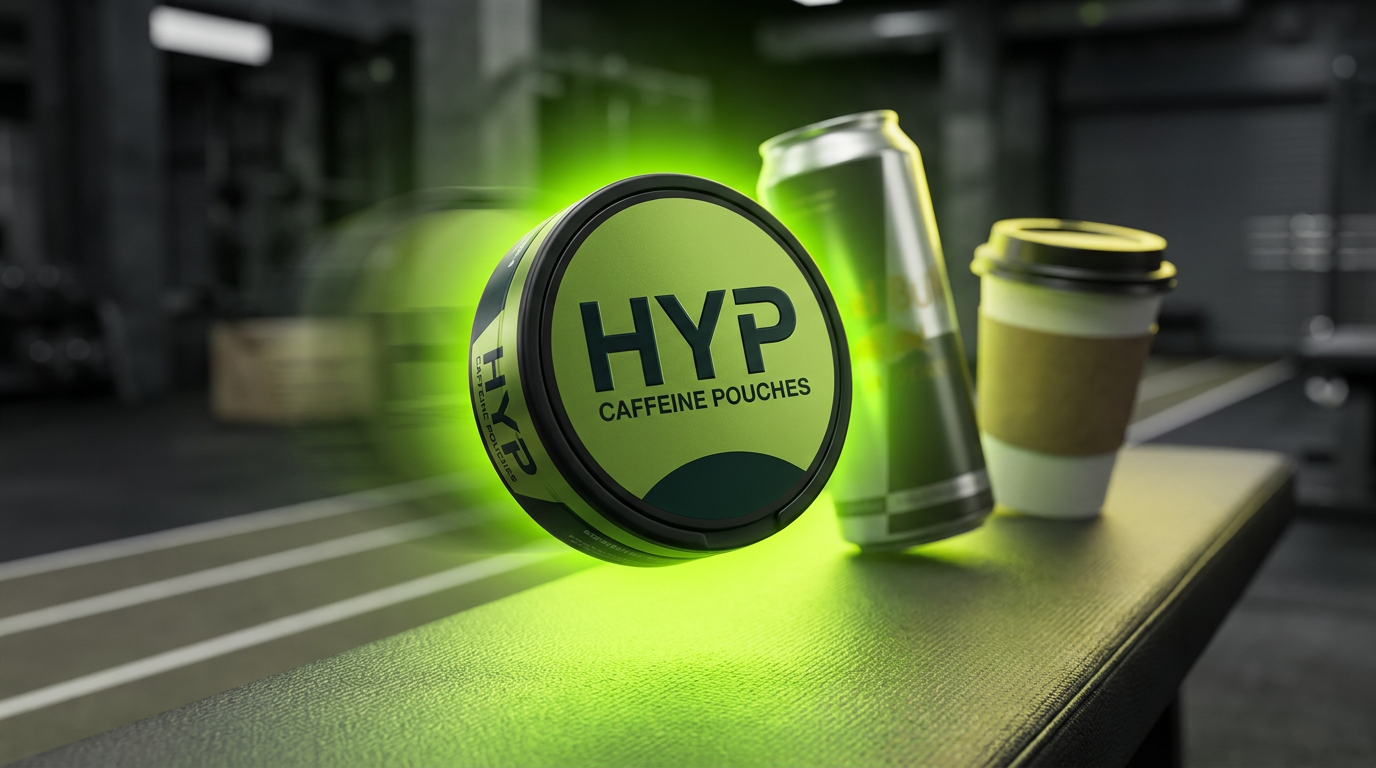
A pouch is placed under the lip and removed after use, with no liquid. Caffeine can pass through the lining of the mouth, a process called buccal absorption; you can read more about how caffeine pouches work.
18+. Contains caffeine (100mg per pouch). Not suitable for children, anyone pregnant or breastfeeding, or people sensitive to caffeine.
If you use caffeine from any source, count it towards your daily total. The European Food Safety Authority (EFSA) advises healthy adults to have no more than 400mg of caffeine a day from all sources, and the NHS advises no more than 200mg a day in pregnancy. Maximum 4 pouches a day, 3 to 4 hours apart.
Frequently Asked Questions on Nutrition and Athletes
How does nutrition affect athletes?
Nutrition provides the fuel for training and the materials the body uses to repair and adapt. How nutrition affects athletes comes down to energy (mainly carbohydrates) for training, building blocks (protein) for repair, and the vitamins and minerals needed for the body's normal processes. Eating too little can lead to tiredness and slow progress.
Is it really 80% diet 20% exercise?
For athletes, that ratio is an oversimplification; both matter. Diet has a large effect on weight loss, but a good diet does not replace training, and training needs enough fuel to support it. So the is it 80 diet 20 exercise question is the wrong one to ask.
What is the 4-2-1 rule for athletes?
The 4-2-1 rule is sometimes described as a timing guideline for pre-event fuelling. It generally suggests a larger carbohydrate meal 4 hours before, a smaller snack 2 hours before, and a small, simple carbohydrate source 1 hour before an event. It is a starting point to adjust through practice in training.
What kills the most belly fat?
You cannot spot-reduce fat from one area of your body. Reducing overall body fat, including around the belly, comes down to a consistent and sustainable energy deficit, through a balanced diet and regular physical activity, including strength training.
How does the body use stored fat for energy?
The body draws on stored fat when it uses more energy than it takes in. A sensible reduction in energy intake combined with more physical activity creates this deficit. During steady, moderate-intensity exercise the body also uses a greater share of fat as fuel.
What should I eat before a workout for energy?
General guidance is to choose easily digestible carbohydrates 1 to 2 hours before your session. Options include a banana, a small bowl of porridge, or a slice of toast with jam. Food and fluid, not caffeine, are what provide fuel for training.
What is the Japanese trick to lose weight?
There is no single "Japanese trick" for weight loss. The idea usually refers to traditional Japanese dietary patterns, which tend to be low in processed foods and sugar and rich in fish, vegetables and fermented foods. A balanced diet combined with an active lifestyle is what supports a healthy body weight, not a secret trick.
Can athletes use caffeine pouches?
HYP pouches are for adults aged 18 and over, and HYP makes no claims about sport or exercise. Each pouch contains 100mg of caffeine, and caffeine from all sources counts towards your daily total. Maximum 4 pouches a day, 3 to 4 hours apart. If you compete under anti-doping rules, check any product with your governing body; testing schemes such as Informed-Sport reduce but do not remove risk.
At what age do men start getting a belly?
There is no set age. Weight gain around the midsection is generally the result of taking in more energy than you use over a long period, often alongside a less active lifestyle. It is not inevitable and can be managed with diet and exercise.
How much hydration do athletes in the UK need?
Hydration needs vary greatly, and urine colour is a simple guide. Pale straw-coloured urine is a common sign of good hydration. How much you need during exercise depends on your personal sweat rate, the intensity of the session and the temperature. The key is to start hydrated and drink regularly.
Important Considerations
This article provides general sports nutrition information. Individual needs for energy, macronutrients and fluid vary with your sport, training volume, body composition and metabolic rate. Use the information here as a starting point, not a prescription.
There are many approaches to eating before training. Whole foods such as bananas provide carbohydrates, coffee is a widely used source of caffeine, and pre-workout powders contain a range of ingredients. If you are comparing caffeine sources, see our guide to caffeine pouches versus energy drinks. The right choice depends on your preferences and your total caffeine intake.
For a personalised nutrition plan, speak to a registered sports dietitian or a qualified nutritionist, especially if you have a health condition.
From Nutrition Theory to Everyday Practice
How nutrition affects athletes comes down to applying the core principles consistently: balancing macronutrients, staying hydrated, timing your food around training and ignoring common myths.
HYP makes caffeine pouches, not sports nutrition products, and makes no claims that they affect exercise. If you are an adult and would like to try the different HYP flavours, you can try The Discovery Pack. Maximum 4 pouches a day, 3 to 4 hours apart.
18+. Contains caffeine (100mg per pouch). Not suitable for children, anyone pregnant or breastfeeding, or people sensitive to caffeine.
References
- European Food Safety Authority (EFSA) - Scientific Opinion on caffeine (2015). Advises that caffeine intake of up to 400mg a day from all sources does not raise concerns for healthy adults outside pregnancy.
- NHS - Guidance on caffeine in pregnancy, advising no more than 200mg a day.
Conclusion
From Nutrition Theory to Everyday Practice
How nutrition affects athletes comes down to applying core principles consistently: balancing macronutrients, staying hydrated and timing food around training.
HYP makes caffeine pouches and makes no claims that they affect exercise or sport. Maximum 4 pouches a day, 3 to 4 hours apart.