Supplements for Energy for Women: A GB Guide
🎯 Key Takeaway
If you are looking at supplements for energy for women, start with the cause of the tiredness rather than the product. The NHS lists tiredness among the symptoms of iron deficiency anaemia and vitamin B12 deficiency anaemia, and advises adults to consider a vitamin D supplement in autumn and winter. A blood test from your GP is the way to find out whether you have a deficiency.
• Check for Deficiencies First: Iron, vitamin B12 and vitamin D are the nutrients most often discussed, and a GP can test for them.
• Know What Caffeine Is and Is Not: Caffeine is not a vitamin or mineral and does not treat a deficiency. If you use caffeine, count every source towards your daily total.
• Check the Label: Whatever format you choose, look for the exact amount of each ingredient per serving.
Feeling tired is common, and the reasons vary from person to person. When you search for supplements for energy for women, the market is crowded with products, and it is not always clear which ones are relevant to you. This guide sets out what the NHS says about the nutrients most often linked to tiredness, when to speak to a GP, and where caffeine products such as HYP caffeine pouches fit, which is a separate question from vitamins and minerals.
18+. Contains caffeine (100mg per pouch). Not suitable for children, anyone pregnant or breastfeeding, or people sensitive to caffeine.
Written by: HYP Content Team
Transparency Disclosure: This article is written by HYP, which sells caffeine pouches, and some links go to HYP products. Health information is taken from the NHS and EFSA, which are named and linked where used. This article is not medical advice.
Why Am I So Tired? Key Nutrient Deficiencies in Women
Tiredness has many possible causes, and a nutrient deficiency is one of them. The NHS describes the following, and a GP can arrange a blood test if a deficiency is suspected. These are the nutrients most often discussed in relation to supplements for energy for women.
- Iron: Iron is needed to make haemoglobin, the protein in red blood cells that carries oxygen around the body. The NHS lists tiredness and lack of energy, and shortness of breath, among the symptoms of iron deficiency anaemia, and notes that heavy periods are a common cause in women.
- Vitamin B12: Vitamin B12 is needed to make red blood cells. The NHS lists extreme tiredness among the symptoms of vitamin B12 or folate deficiency anaemia, which is a relevant point for energy supplements for women over 40 and for anyone whose diet contains few animal products.
- Vitamin D: The body makes vitamin D when skin is exposed to sunlight. The NHS advises that adults in the UK should consider taking a daily supplement containing 10 micrograms of vitamin D during autumn and winter.
If you think you may have a deficiency, speak to your GP, who can arrange a blood test. Taking supplements without a confirmed deficiency may not help, and some supplements can be harmful in high doses. When a deficiency is confirmed, your GP can advise on natural energy supplements for women and other treatment.
Beyond Deficiencies: Where Caffeine Fits
Caffeine is a different kind of product from vitamins and minerals. It is a substance found naturally in coffee beans and tea leaves, and it does not treat or correct any deficiency. HYP makes no claims about the effects of caffeine.
If you choose to have caffeine, official guidance looks at your total intake from all sources. The European Food Safety Authority (EFSA) (2015) advises that healthy adults, other than those who are pregnant or breastfeeding, should have no more than 400mg of caffeine a day. The NHS advises no more than 200mg a day during pregnancy. Caffeine products, including HYP, are not suitable for anyone pregnant or breastfeeding.
Supplement Formats Compared
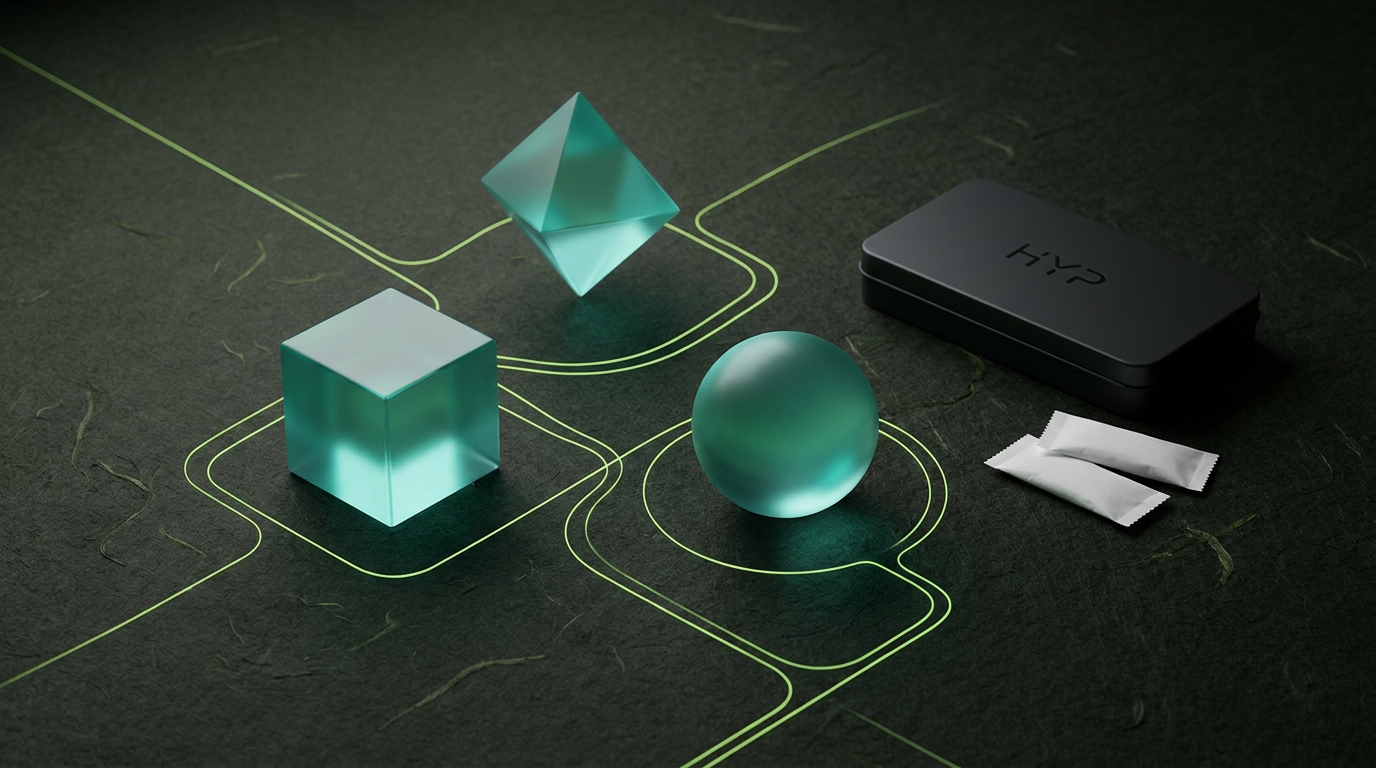
Vitamins, minerals and caffeine come in several formats. The table below compares how each format is taken; it does not compare effects.
Energy drinks are one common source of caffeine. Under UK food labelling rules, drinks containing more than 150mg of caffeine per litre must carry a high caffeine content warning and state the amount of caffeine per 100ml. You can read our guide to caffeine pouches and energy drinks for a factual comparison of the two formats.
| Supplement Format | How It Is Taken | Preparation Needed | What to Check on the Label |
|---|---|---|---|
| Caffeine Pouch | Placed under the upper lip, not swallowed | None | Caffeine per pouch |
| Energy Drink | Drunk | None | Caffeine and sugar per can |
| Tablet or Capsule | Swallowed with water | Water | Amount of each ingredient per tablet |
| Powder | Mixed into a drink | Water and a shaker or glass | Amount of each ingredient per scoop |
Caffeine Pouches: What They Are
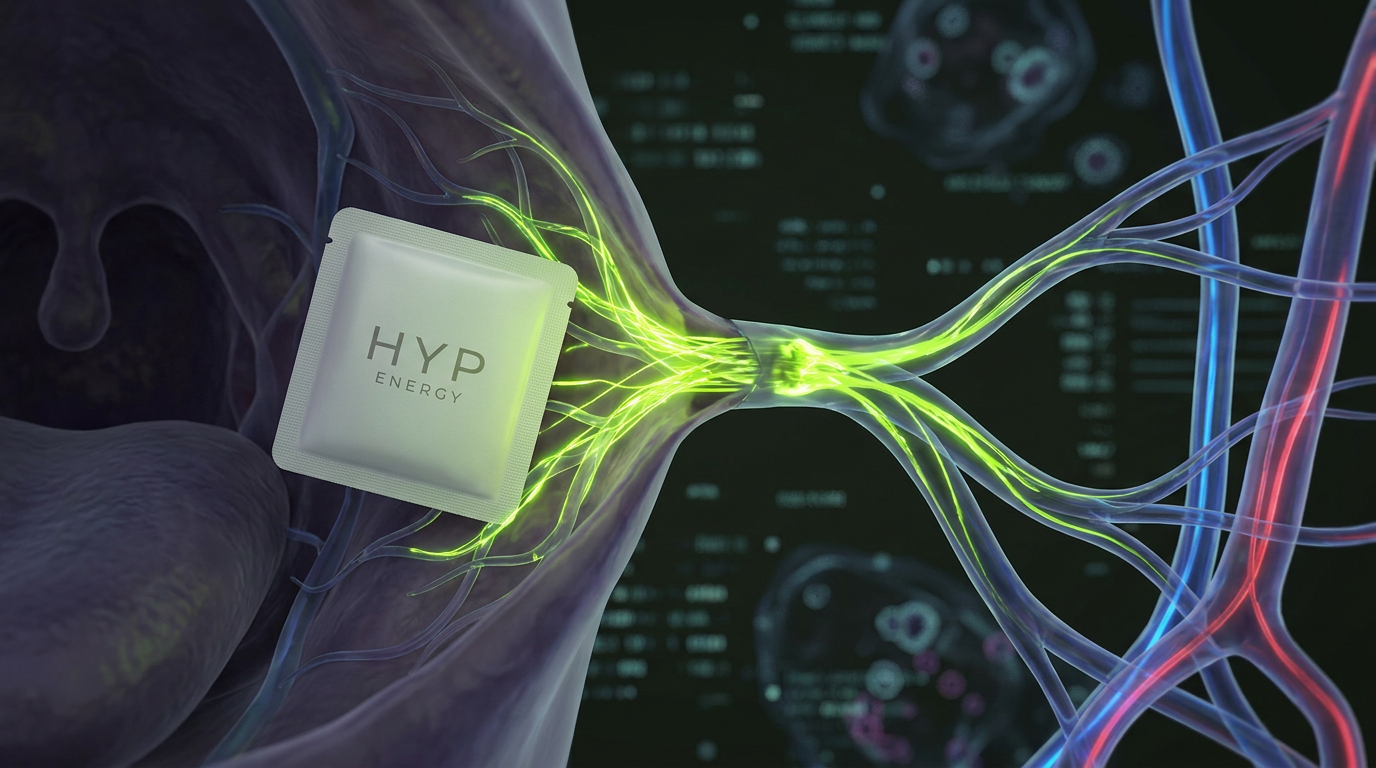
Caffeine pouches are small pouches containing caffeine that are placed between the lip and gum rather than swallowed. This is sometimes called buccal use, meaning use through the lining of the mouth. You can read more about how caffeine pouches work.
The facts about HYP:
- Caffeine: Each HYP pouch contains 100mg of caffeine.
- What it is free from: HYP pouches are sugar-free, nicotine-free and tobacco-free.
- Format: The pouches come in a small tin and need no water or preparation.
Maximum 4 pouches a day, 3 to 4 hours apart. Do not use pouches back to back, and count caffeine from tea, coffee and other products towards your daily total.
HYP is for adults aged 18 and over only. If you are new to the format, you can learn more about what caffeine pouches are and read our UK guide to common questions about caffeine pouches.
What are common questions about energy supplements?
Which energy supplement should women choose?
It depends on the cause of your tiredness, so speak to your GP first. If a blood test shows a deficiency in iron, vitamin B12 or vitamin D, your GP can advise on supplements for energy for women or other treatment. Caffeine products such as HYP are not vitamin or mineral supplements and do not treat a deficiency.
Which vitamins are linked to tiredness?
The NHS lists tiredness among the symptoms of iron deficiency anaemia and vitamin B12 or folate deficiency anaemia. The NHS also advises adults in the UK to consider a daily 10 microgram vitamin D supplement during autumn and winter. A GP can test for these deficiencies.
What should I do if I feel tired all the time?
Speak to your GP, particularly if the tiredness has lasted for several weeks. Tiredness can have many causes, including sleep problems, stress and medical conditions, and a GP can help find the cause and arrange any tests you need.
What vitamins am I lacking if I constantly feel tired?
You cannot tell from symptoms alone. Iron, vitamin B12 and vitamin D are the nutrients most often discussed, but tiredness has many other possible causes. A blood test from your GP is the only way to know for sure.
How much caffeine is in a HYP pouch?
Each HYP pouch contains 100mg of caffeine. Maximum 4 pouches a day, 3 to 4 hours apart. EFSA advises healthy adults, other than those who are pregnant or breastfeeding, to have no more than 400mg of caffeine a day from all sources.
How is vitamin B12 deficiency treated?
Treatment is decided by a GP after a blood test. The NHS says vitamin B12 deficiency anaemia is usually treated with injections or tablets, depending on the cause.
What drains energy from your body?
Tiredness has many possible causes, including poor sleep, stress and some medical conditions. Hormonal changes, including during perimenopause, can also affect sleep. If you feel tired for a long time, speak to your GP so the cause can be investigated.
Are caffeine tablets the same as caffeine pouches?
Both contain caffeine, in different formats. A tablet is swallowed with water; a pouch is placed under the upper lip and is not swallowed. Check the amount of caffeine per tablet or pouch on the label, and count every source towards your daily total.
What should I do about extreme tiredness?
See your GP. Extreme or long-lasting tiredness should be checked by a doctor, who can look for causes such as anaemia and arrange blood tests.
Are energy supplements for women over 40 different?
Needs can change with age, so it is worth reviewing them with your GP. The NHS lists difficulty sleeping among the symptoms of menopause and perimenopause, and the NHS vitamin D advice applies to adults of all ages. A GP can advise on any supplement based on your health and test results.
Important Considerations
This guide gives general information only, and individual needs vary with diet, health and lifestyle. Research on caffeine pouches as a format is limited. This information is not a substitute for professional medical advice.
Supplements are not a replacement for sleep, a balanced diet and regular physical activity. If you are considering any herbal or other supplement, check the label and speak to a pharmacist or GP first, especially if you take medication.
Before starting any new supplement, especially if you have a medical condition, are pregnant or breastfeeding, or have long-lasting tiredness, speak to your GP. A blood test can identify any nutritional deficiencies.
Choosing Supplements the Informed Way
Choosing supplements for energy for women starts with the cause. First, if you are often tired, speak to your GP about a blood test for deficiencies such as iron and vitamin B12, and follow NHS vitamin D advice. Second, if you choose to have caffeine, know how much is in each product and keep your total within official guidance.
If you are an adult and want to try HYP caffeine pouches, the HYP Discovery Pack includes one tub of each flavour.
18+. Contains caffeine (100mg per pouch). Not suitable for children, anyone pregnant or breastfeeding, or people sensitive to caffeine.
Maximum 4 pouches a day, 3 to 4 hours apart.
References
- NHS - Iron deficiency anaemia. Symptoms and common causes, including heavy periods.
- NHS - Vitamin B12 or folate deficiency anaemia. Symptoms, diagnosis and treatment.
- NHS - Vitamin D. Advice for adults to consider a daily 10 microgram supplement during autumn and winter.
- NHS - Menopause. Symptoms of menopause and perimenopause.
- NHS - Foods to avoid in pregnancy (caffeine section). Guidance of no more than 200mg of caffeine a day during pregnancy.
- European Food Safety Authority (EFSA) - Scientific Opinion on caffeine (2015). Guidance that adults, other than those who are pregnant or breastfeeding, should have no more than 400mg of caffeine a day from all sources.
What vitamins should a perimenopausal woman take?
There is no single list that suits every woman, so the starting point is a conversation with your GP. The NHS vitamin D advice, to consider a daily 10 microgram supplement during autumn and winter, applies to all adults, including during perimenopause.
During perimenopause, hormone levels change, and the NHS lists symptoms such as difficulty sleeping and changes to periods. Some of these, such as heavier periods, can be linked to other issues like iron deficiency anaemia. The table below summarises the NHS points covered in this guide:
| Nutrient | What the NHS Says | Next Step |
|---|---|---|
| Vitamin D | Adults should consider a daily 10 microgram supplement during autumn and winter | Check the amount on the label |
| Vitamin B12 | Extreme tiredness is among the symptoms of B12 or folate deficiency anaemia | Ask your GP about a blood test |
| Iron | Heavy periods are a common cause of iron deficiency anaemia | Ask your GP about a blood test |
Because symptoms can overlap with other conditions, such as thyroid problems or iron deficiency anaemia, speak to a medical professional about blood tests before starting high-dose supplements.
What is the key takeaway?
Choosing Supplements the Informed Way
Choosing supplements for energy for women is a two-step process. First, speak to your GP about any long-lasting tiredness and possible deficiencies such as iron and vitamin B12, and follow NHS vitamin D advice. Second, if you choose to have caffeine from any source, check how much is in each product and keep your total within official guidance.The HYP Discovery Pack contains one tub of each HYP flavour: Mixed Berry, Lemon + Lime and Spearmint. Each tub contains 20 pouches, and each pouch contains 100mg of caffeine. HYP pouches are sugar-free, nicotine-free and tobacco-free. Delivery terms are shown at checkout.
18+. Contains caffeine (100mg per pouch). Not suitable for children, anyone pregnant or breastfeeding, or people sensitive to caffeine.
Maximum 4 pouches a day, 3 to 4 hours apart.
What gives you energy?
The body gets its energy from food: carbohydrates, fats and proteins. Vitamins and minerals such as B vitamins and iron play a part in the processes that release energy from food and carry oxygen around the body.
It helps to separate three different things:
- Food: Carbohydrates, fats and proteins are the body's sources of energy, and a balanced diet supplies the vitamins and minerals involved in using them.
- Caffeine: Caffeine is a substance found in coffee, tea and some other products. It does not provide food energy and does not treat a deficiency.
- Sleep and Hydration: No supplement replaces regular sleep, drinking enough fluids and consistent nutrition.