Caffeine Pouches Before Workout: A Factual GB Guide
🎯 Key Takeaway
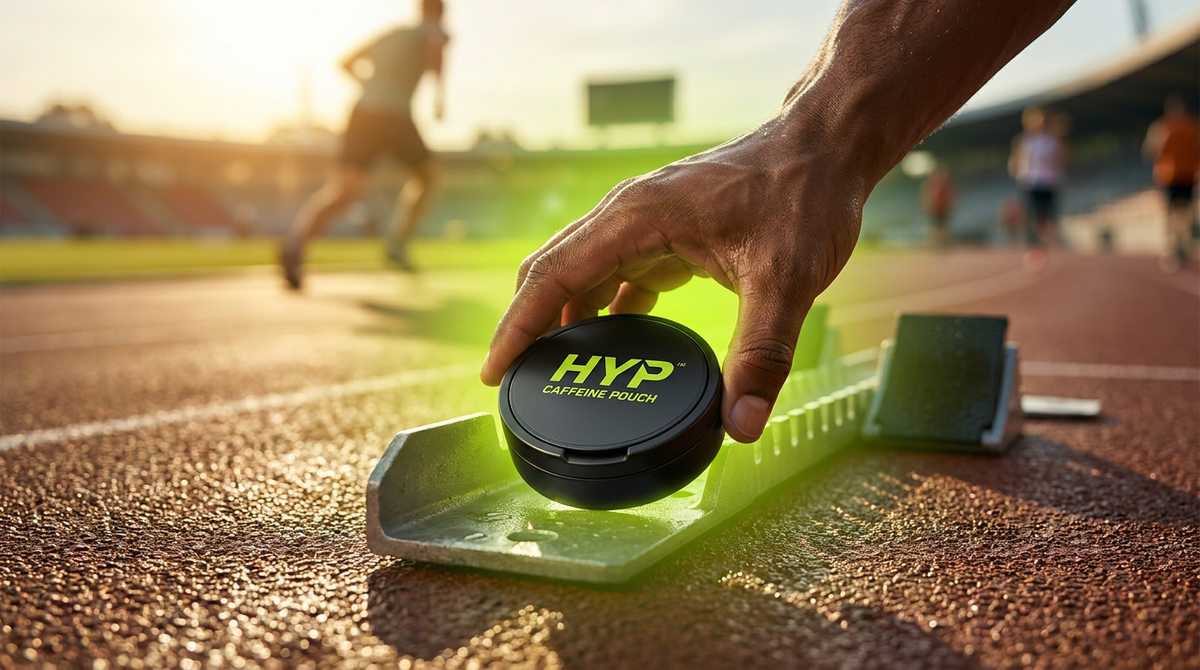
Some adults use caffeine pouches before a workout because they are drink-free and pocket-sized. HYP pouches contain 100mg of caffeine each and are sugar-free, nicotine-free and tobacco-free. If you use them, count every pouch towards your daily caffeine total, stay within EFSA guidance of 400mg a day for healthy adults, and avoid caffeine late in the day. Maximum 4 pouches a day, 3 to 4 hours apart.
If you are thinking about using caffeine pouches before workout sessions, you probably want to know what is in them, how much caffeine you would be having, how they compare with pre-workout powders and energy drinks, and how to fit them around your sleep. This guide answers those questions with label facts and named sources. It does not make claims about how caffeine pouches affect your training. If you're new to the concept, you can learn more about what caffeine pouches are in our detailed overview.
Written by: HYP Content Team | Reviewed by: Editorial Team, Industry Specialists
Last updated: 31 October 2026
ℹ️ Transparency Disclosure: HYP sells caffeine pouches, and this article is published by HYP. We have kept to what our product contains and to general caffeine guidance from named public sources, so you can make your own decision.
18+. Contains caffeine (100mg per pouch). Not suitable for children, anyone pregnant or breastfeeding, or people sensitive to caffeine.
The Basics: What Is in a Caffeine Pouch?
A caffeine pouch is a small, soft pouch that you place between your upper lip and gum rather than swallowing. HYP pouches contain 100mg of caffeine each, and they are sugar-free, nicotine-free and tobacco-free. Because each pouch contains a fixed amount, it is straightforward to add up how much caffeine you have had. Maximum 4 pouches a day, 3 to 4 hours apart.
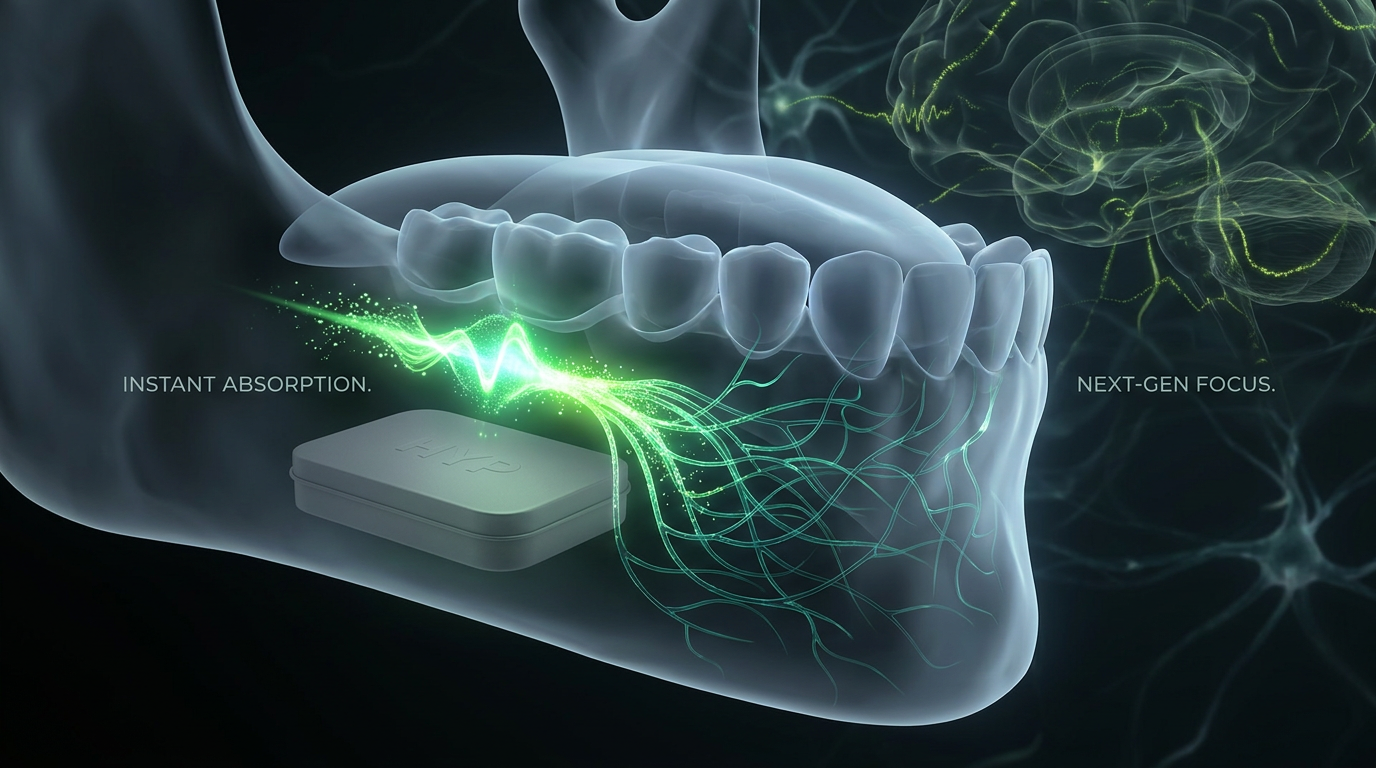
For context, the NHS gives typical caffeine amounts for common drinks: around 100mg in a mug of instant coffee, around 140mg in a mug of filter coffee, around 75mg in a mug of tea and around 80mg in a 250ml can of energy drink. A single HYP pouch is broadly comparable to a mug of instant coffee in caffeine terms.
EFSA advises that healthy adults have no more than 400mg of caffeine a day, and the NHS advises no more than 200mg a day in pregnancy. EFSA's 2015 scientific opinion on caffeine also refers to single doses of up to 200mg for healthy adults. The Harvard T.H. Chan School of Public Health notes that moderate caffeine intake can be part of a healthy diet for most adults. These figures cover caffeine from all sources combined.
How does pre-workout work?
Pre-workout products are supplements, usually powders mixed with water, that typically combine caffeine with other ingredients such as beta-alanine, creatine or L-citrulline. Ingredients and amounts vary widely between brands, and the caffeine per scoop can be high.
If you are comparing formats, these are the practical points to check:
- Caffeine per serving: check the label for the caffeine per scoop, can or pouch, and add it to the rest of your day.
- Other ingredients: powders often contain several active ingredients, sweeteners and flavourings; read the full ingredient list.
- Preparation: powders need water and a shaker; cans and pouches need no preparation.
- Doubling up: many pre-workout products already contain caffeine, so using one alongside another caffeinated product can take you over daily guidance quickly.
When should you use a caffeine pouch before a workout?
We don't give a set timing window for exercise, because responses to caffeine vary between people and HYP makes no claims about the effect of its pouches on training. The practical rules are about how much you have and when in the day.
- Count it: each HYP pouch is 100mg of caffeine. Add it to any coffee, tea, energy drinks or pre-workout you have that day.
- Space it: Maximum 4 pouches a day, 3 to 4 hours apart. Do not use pouches back to back.
- Mind the clock: if you train in the evening, think about how close to bedtime your last caffeine is (see the sleep section below).
Caffeine Pouches vs. Traditional Pre-Workouts: A Head-to-Head Comparison
When comparing caffeine pouches vs pre workout powders and energy drinks, the clearest differences are in format, preparation, sugar and how easy it is to know your caffeine per serving. The table below sets out those facts. For a fuller comparison, see our guide to caffeine pouches vs energy drinks.
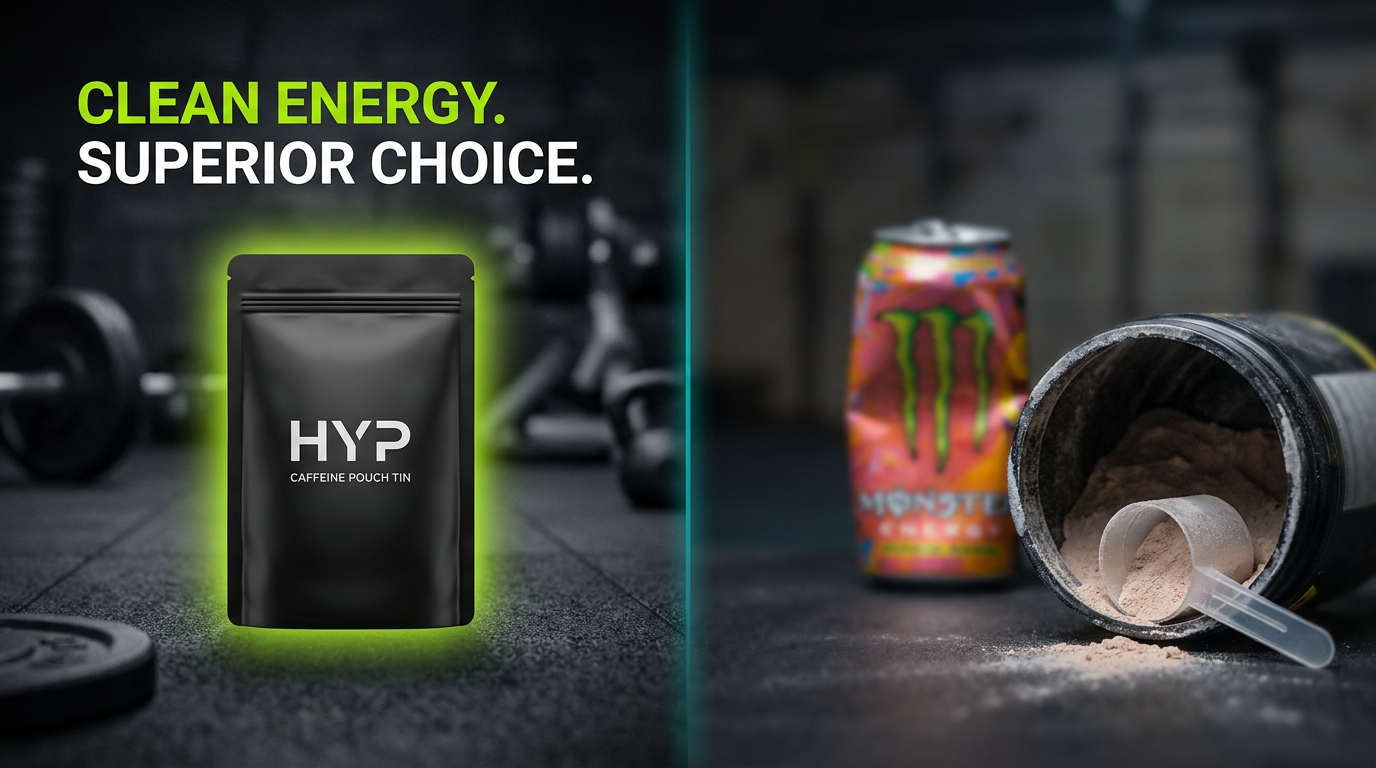
Pre-workout powders often contain a mix of ingredients, including beta-alanine, creatine and caffeine, along with sweeteners and flavourings. Sugar content varies between energy drinks, so check the label. The NHS advises adults to have no more than 30g of free sugars a day, so the label is worth checking.
| Factor | Caffeine Pouches (HYP) | Pre-Workout Powder | Energy Drink |
|---|---|---|---|
| Caffeine per Serving | 100mg per pouch | Varies by product; check the label | Varies by can size and brand; the NHS lists a 250ml can at around 80mg |
| Sugar | Sugar-free | Varies; check the label | Varies; standard versions can contain added sugar |
| Format | Pouch in a pocket-sized tin, no liquid | Powder mixed with water | Can |
| Preparation | None | Water and a shaker | None |
| Other Ingredients | Nicotine-free and tobacco-free; see the pack for the full ingredient list | Often several active ingredients | Varies by brand |
How do caffeine pills compare with caffeine pouches?
Caffeine pills are tablets that are swallowed with water. Like pouches, they contain a fixed amount of caffeine per serving; sugar content varies by product. The main differences are format and how they are taken.
| Feature | Caffeine Pills | Caffeine Pouches (HYP) | Pre-Workout Powder |
|---|---|---|---|
| How It Is Taken | Swallowed with water | Placed between the lip and gum | Mixed with water and drunk |
| Caffeine per Serving | Varies by product; check the label | 100mg per pouch | Varies by product; check the label |
| Sugar | Usually none; check the label | Sugar-free | Varies |
| Needs Water | Yes | No | Yes |
How much caffeine is too much before a workout?
The same daily guidance applies whether or not you are exercising. EFSA's 2015 opinion advises no more than 400mg of caffeine a day for healthy adults, and refers to single doses of up to 200mg for healthy adults. These limits cover all sources combined.
So, how many caffeine pouches a day can you have? Maximum 4 pouches a day, 3 to 4 hours apart, and fewer if you also have coffee, tea, energy drinks or a caffeinated pre-workout. Four HYP pouches on their own come to 400mg, so any other caffeine that day would take you over EFSA guidance for healthy adults.
What about 200mg caffeine pouches? HYP pouches contain 100mg each. Some other brands sell stronger pouches; a single 200mg pouch reaches the single-dose level referred to by EFSA and is half of EFSA's daily guidance for healthy adults in one go. Whatever you use, check the caffeine per pouch on the pack. For more, read our guide to using caffeine pouches responsibly.
Why no caffeine after 3pm?
The common advice to avoid caffeine in the late afternoon is about sleep. EFSA's 2015 opinion notes that single doses of 100mg of caffeine may increase the time it takes to fall asleep and shorten sleep duration in some adults, particularly when taken close to bedtime. That is the amount in one HYP pouch.
Caffeine stays in the body for several hours, and how quickly it is cleared varies from person to person. If you train in the evening, consider having your last caffeine earlier in the day, or skipping it on those days.
Frequently Asked Questions
What are caffeine pouches before workout?
Some adults use a caffeine pouch before exercise instead of a drink, because there is no liquid to carry. Caffeine pouches are small pouches placed between the lip and gum. HYP pouches contain 100mg of caffeine each and are sugar-free, nicotine-free and tobacco-free. Maximum 4 pouches a day, 3 to 4 hours apart.How quickly is caffeine from a pouch absorbed?
There is limited published research on caffeine pouches specifically, and responses to caffeine vary between people, so we don't give a timing claim. What we can tell you is how much caffeine each HYP pouch contains: 100mg.What are the pros and cons of caffeine pouches?
On the practical side, pouches are drink-free, pocket-sized and contain a fixed amount of caffeine. On the other side, they are not suitable for everyone, it is easy to lose track of total caffeine if you also drink coffee or energy drinks. If you notice any irritation in your mouth or gums, stop using pouches and speak to your dentist.How long can you keep a caffeine pouch in?
Follow the instructions on the pack. When you remove a pouch, dispose of it in a bin. Do not replace it straight away with another: Maximum 4 pouches a day, 3 to 4 hours apart.How many caffeine pouches can I have in a day?
Maximum 4 pouches a day, 3 to 4 hours apart. Each HYP pouch contains 100mg of caffeine, and EFSA guidance for healthy adults is no more than 400mg of caffeine a day from all sources. If you have other caffeine that day, have fewer pouches.What about 200mg caffeine pouches?
HYP pouches contain 100mg of caffeine each. A 200mg pouch from another brand reaches the single-dose level referred to by EFSA for healthy adults and is half of EFSA's daily guidance for healthy adults at once. Check the caffeine per pouch on any product you use.Will caffeine pouches give you a buzz?
We describe what HYP contains rather than how it will make you feel. Each pouch contains 100mg of caffeine, roughly the amount the NHS gives for a mug of instant coffee. How people respond to caffeine varies, so if you are sensitive to caffeine, caffeine pouches are not suitable for you.How does the caffeine in a pouch compare with an energy drink?
It depends on the can. A HYP pouch contains 100mg of caffeine. The NHS lists a 250ml can of energy drink at around 80mg; larger cans and stronger drinks contain more, so check the label.How do caffeine pouches compare with coffee before a workout?
In caffeine terms, a HYP pouch (100mg) is similar to a mug of instant coffee (around 100mg, according to the NHS) and contains less than a mug of filter coffee (around 140mg). The main differences are format: coffee is a hot drink, while a pouch needs no liquid.Can I combine caffeine pouches with other supplements?
Check every label for caffeine first. Many pre-workout supplements already contain caffeine, so combining them with a caffeine pouch can take you over EFSA guidance of 400mg a day. If you are unsure about combining products, ask a pharmacist or your GP.Important Considerations
Long-term research on caffeine pouches as a format is still limited. Most of what is known comes from general research on caffeine, which is why we point to public guidance from the NHS and EFSA rather than making claims about our product. Be cautious of any marketing that makes claims about how a caffeine product will change your training.
A balanced diet, staying hydrated and getting enough sleep are the foundations of any exercise routine, and no caffeine product replaces them.
If you have a medical condition, particularly one involving your heart, or if you are sensitive to stimulants, speak to your GP before using any caffeine product. They can give advice based on your health and circumstances.
Is it okay to drink Celsius before a run?
Celsius is a caffeinated energy drink, so the same caffeine guidance applies. Check the caffeine per can on the label, as it varies by product and market, and add it to anything else you have that day.
Before having any caffeinated drink before a run, consider these practical points:
- Caffeine per can: compare it with the EFSA guidance of 400mg a day for healthy adults and the single-dose level of 200mg referred to by EFSA.
- Fluid and fizz: some people prefer not to drink a large or carbonated drink just before running; that is a matter of personal comfort.
- Your health: if you have a heart condition or are sensitive to caffeine, speak to your GP before using any caffeinated product.
Comparing Caffeine Formats: What to Check
Whether you choose caffeine pouches before workout sessions, a pre-workout powder, an energy drink or a coffee, the useful questions are the same: how much caffeine is in a serving, how much sugar, how much preparation, and how it fits within your daily caffeine total and your sleep.
If you would like to try a drink-free format, HYP pouches contain 100mg of caffeine each and are sugar-free, nicotine-free and tobacco-free. You can Try The Discovery Pack to explore the flavours. Maximum 4 pouches a day, 3 to 4 hours apart.
18+. Contains caffeine (100mg per pouch). Not suitable for children, anyone pregnant or breastfeeding, or people sensitive to caffeine.
References
- EFSA - 2015 scientific opinion on caffeine, including single-dose and daily intake levels for healthy adults and the effect of caffeine close to bedtime on sleep.
- NHS - Guidance on caffeine in pregnancy, including typical caffeine amounts in common drinks.
- Harvard T.H. Chan School of Public Health - Academic public health resource on caffeine sources and intake levels.
- World Health Organization (WHO) - 2015 guideline on sugars intake for adults.
Conclusion
Making an Informed Choice
In summary, caffeine pouches are one of several ways adults have caffeine before exercise. A HYP pouch contains a fixed 100mg of caffeine, is sugar-free and needs no liquid or preparation. Whichever format you choose, keep your total caffeine within EFSA and NHS guidance, leave enough time before bed, and speak to your GP if you have a health condition.
If you would like to see whether the pouch format suits you, start with our Try The Discovery Pack to find a flavour you like. Maximum 4 pouches a day, 3 to 4 hours apart.
18+. Contains caffeine (100mg per pouch). Not suitable for children, anyone pregnant or breastfeeding, or people sensitive to caffeine.